Educational guidance only. Pelvic Floor Practice shares general information about pelvic floor exercises and everyday self-care for men in Indonesia — it is not medical advice, diagnosis, or treatment.

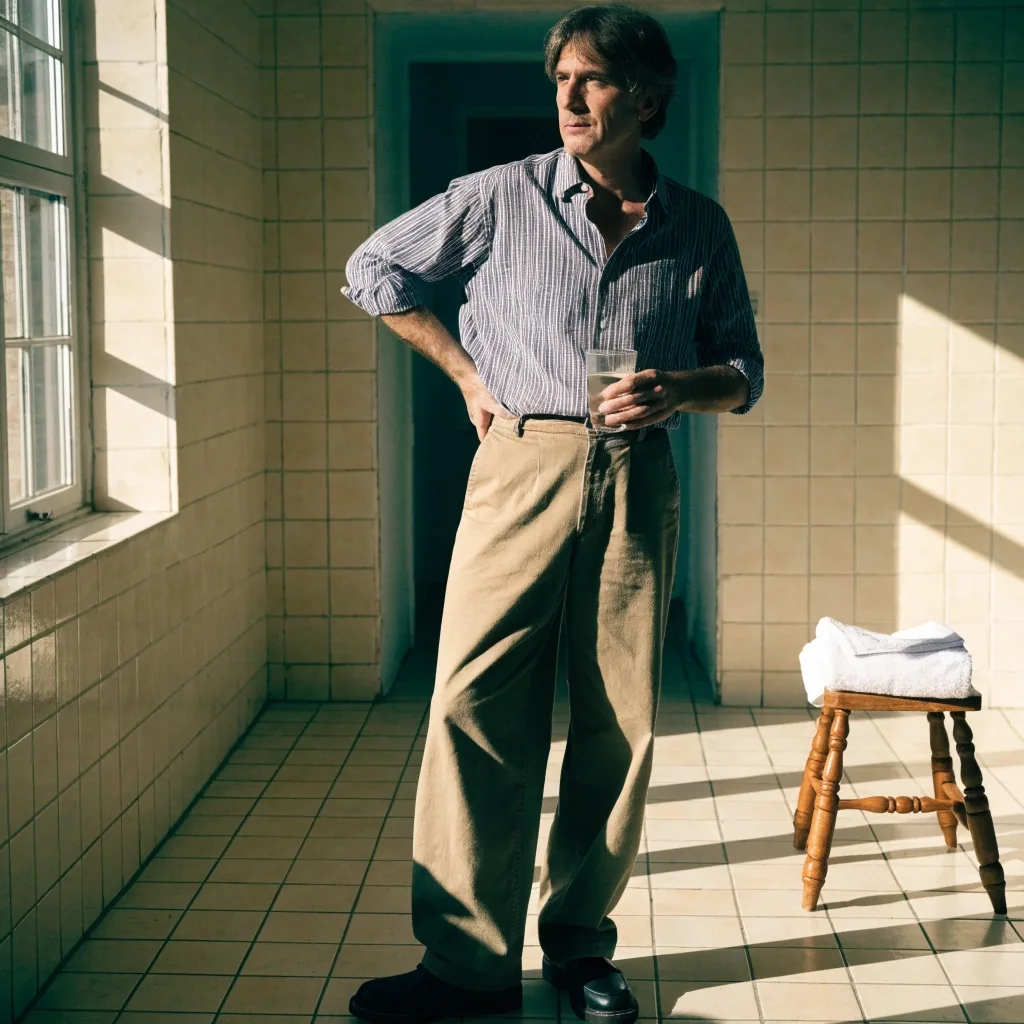
Warm morning light striping a stone corridor with a low bench, a folded towel and a basin of still water

Everyday Habits That Support Pelvic Floor Practice

The exercises take a few minutes a day. The other twenty-three hours shape how well they go. Posture, movement, hydration, and rest all influence how the pelvic floor feels when you sit down to practise.

What this page covers

Where the practice meets the rest of your day

A short routine asked to do all the work on its own rarely feels like it holds. The habits below are the ones readers most often find make a difference, and the ones that quietly work against them. None of them need equipment, a gym membership, or a change to your working day beyond a few standing breaks and a walk.

Read them as a set of small adjustments you can keep, not a programme. Pick two, let them become automatic, then add the next.
Sitting is the habit nobody counts

Long stretches in a chair, whether at a desk in Jakarta or on a motorbike, put steady pressure through the pelvic floor and shorten the muscles at the front of the hip. The exercises cannot fully offset ten uninterrupted hours of sitting. Break it up instead.

Stand for a minute every hour, even if it is just to refill a glass. Change position rather than chasing a perfect posture, because the muscles respond to variety more than to rigidity. A timer is not required. The point is that the chair does not get a ten-hour run.

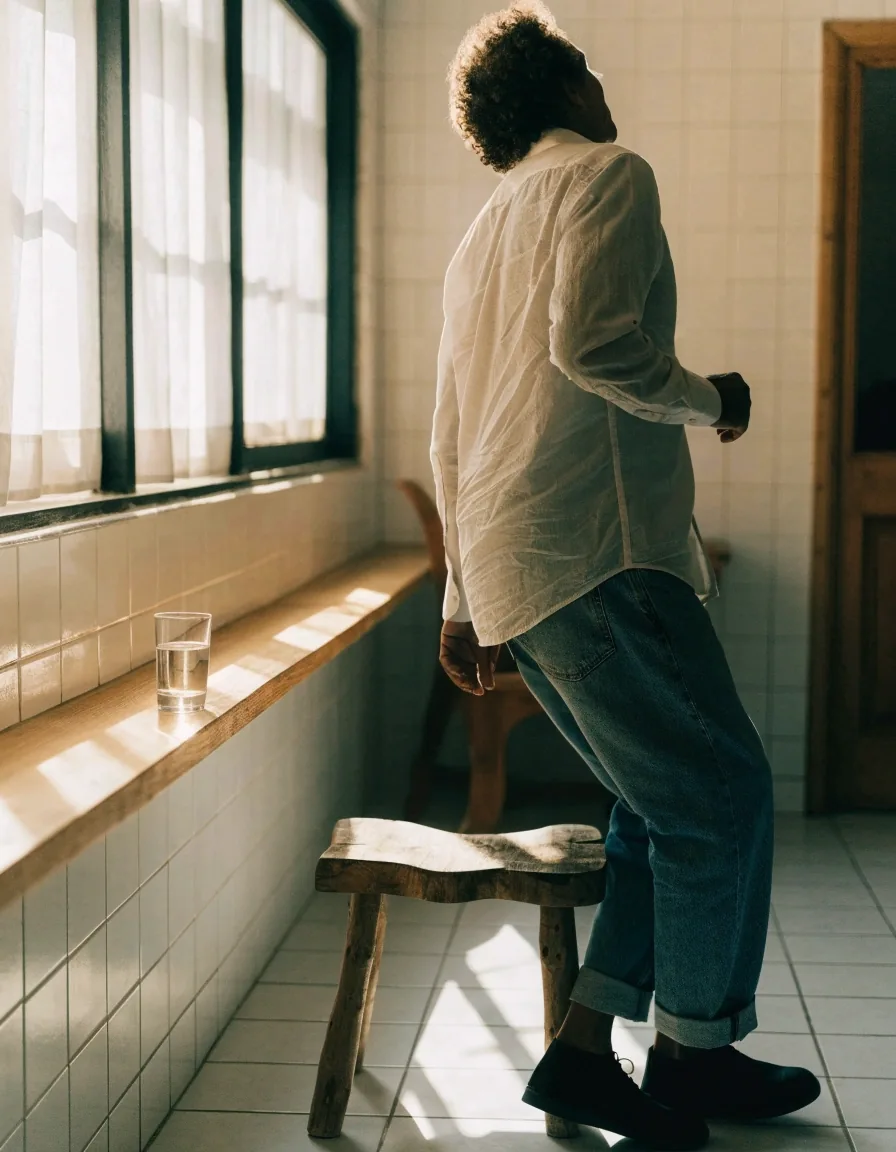
A man rising from a low stool beside a window in soft morning light
A standing break every hour Sixty seconds is enough. Refill a glass, check the balcony, walk to the end of the room and back.
Change position, not posture Shift weight, cross the other ankle, lean back for a while. Variety is what the muscles notice.

Posture, without the lecture

You do not need a textbook spine. You need a position you can return to without effort. Feet flat, weight through both sitting bones, ribcage stacked loosely over the pelvis rather than slumped back.

Two shapes to compare

Slumped for hours

The pelvic floor tends to follow the shape of the chair. Hips rolled back, chest sunk, the whole area held in a shorter position for a long stretch of the day.

Sitting tall for a while

With the ribcage stacked, the pelvic floor has room to work. The difference is small and repeatable, which is exactly what makes it useful over a working week.

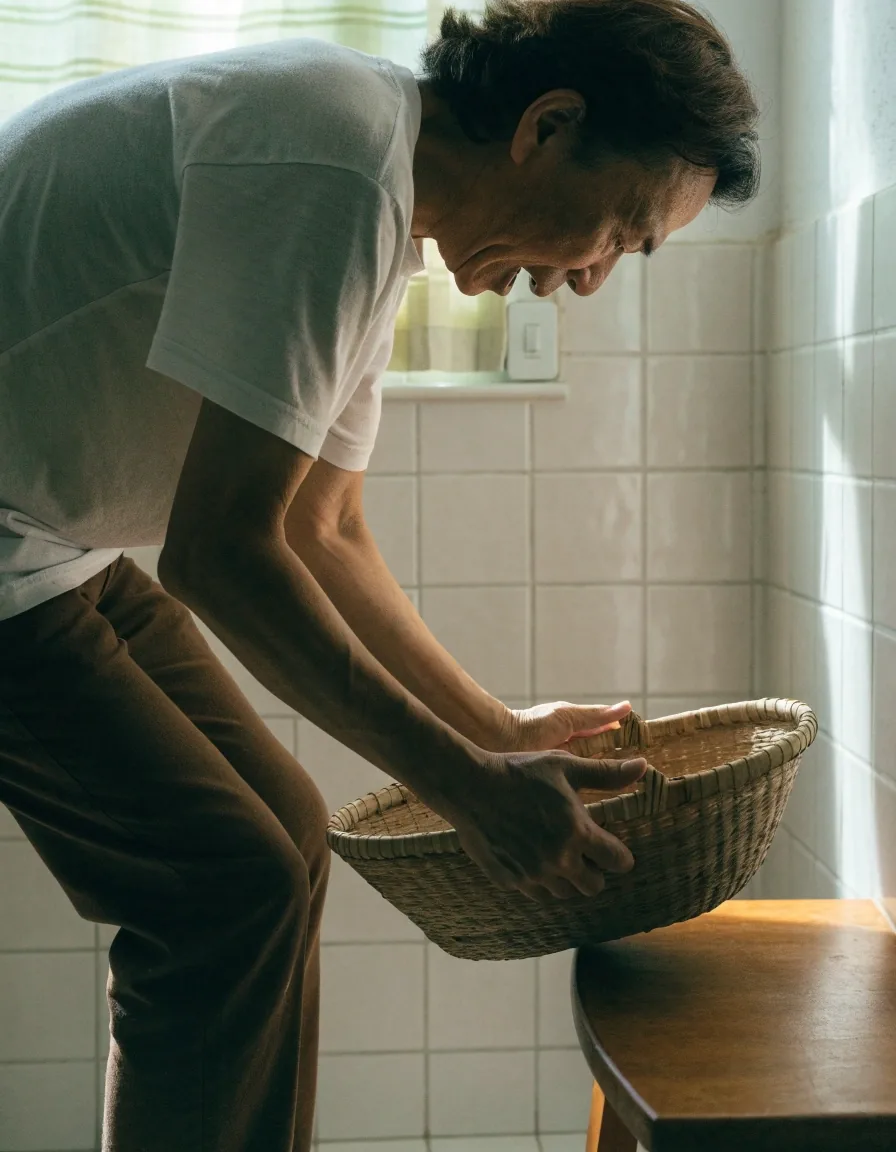
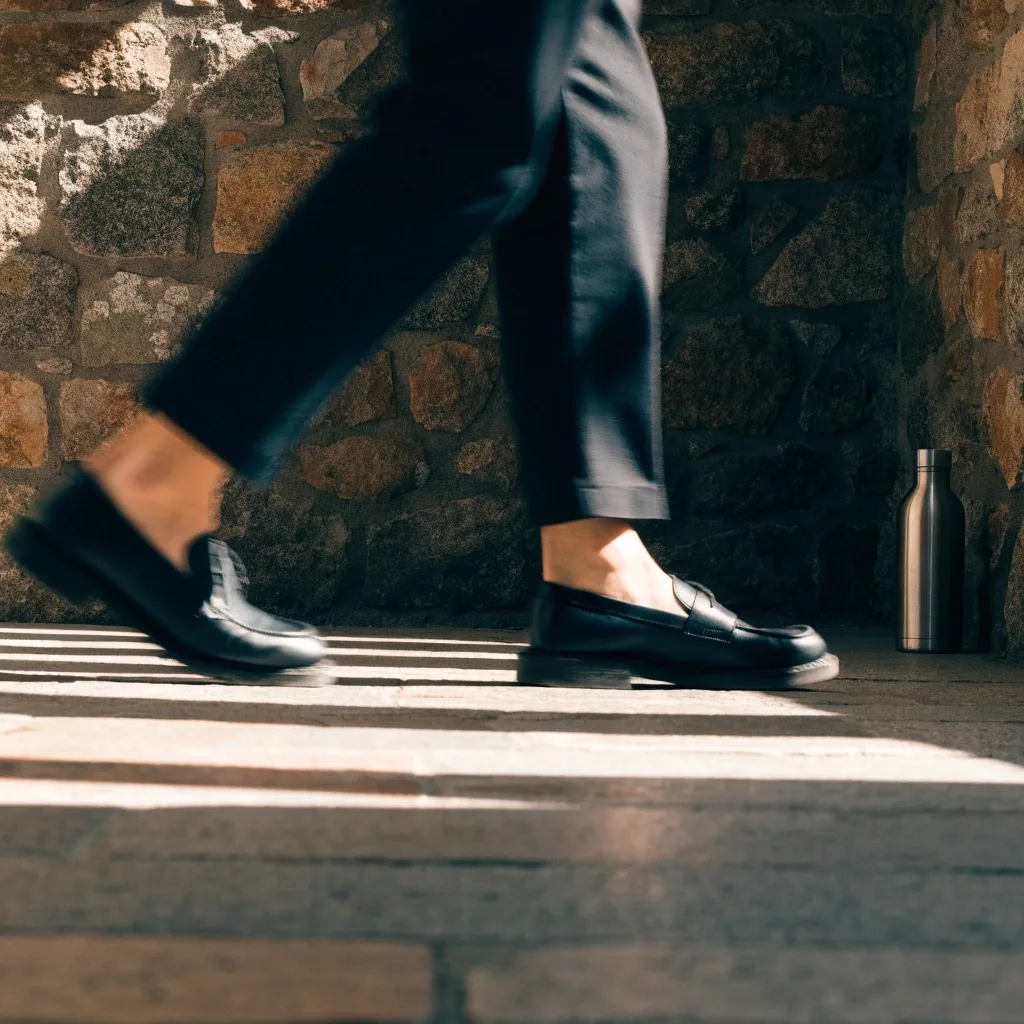
Walking shoes and the hem of trousers crossing a sunlit stone corridor floor

Movement that is not exercise

The walk that does the quiet work

Walking is the most underrated habit on this list. Twenty to thirty minutes most days keeps the hips mobile and gives the pelvic floor a gentle, varied workload as you shift weight from side to side. It does not need to be brisk. A walk to a warung and back counts.

If you already train, squats, bridges, and general strength work support the same muscles, provided you breathe through the effort rather than bracing hard against it. Movement and core stability built this way carry over to the seated routine without any extra equipment.

Daily walk

Twenty to thirty minutes, most days. Pace optional.

Strength days

Squats and bridges count, if you breathe through them.

Keep breathing

Effort with a held breath changes what the floor is doing.

Hydration and bathroom habits

Drinking enough water through the day supports normal bladder function, and cutting back to avoid trips is a habit that tends to backfire. Aim for regular intake rather than large amounts at once. Two glasses spread across the morning does more than a bottle at midnight.

When you urinate, let it happen without straining or pushing. Avoid routinely stopping the flow as a way to practise, since the exercise belongs in your sessions, not at the toilet. If urgency or frequency is a persistent concern, that is a topic for a licensed professional.

A glass and stoneware jug of water on a ledge in warm morning light
Spread the intake Regular glasses through the day, rather than a lot at once. Keep a bottle within reach of the desk so it happens without a decision.
No straining, no pushing Let it happen. Holding your breath or forcing the flow puts pressure exactly where you are trying to build control.
Keep practice out of the bathroom Stopping the flow mid-way as a habit trains the wrong pattern. Save the contractions for your session.

Lifting without bracing

Exhale as you lift

Whether it is a suitcase, a child, or a box at work, the useful habit is to exhale as you lift rather than hold your breath and clench. A light pelvic floor lift on the exhale, paired with keeping the load close to your body, is the coordination you have been practising.

This is not a rule about what you can carry. It is a way of moving that keeps the pressure inside your abdomen from pushing down when you do. If you lift for a living, the same coordination applies to every load, and the breath is what carries it.

  • Breathe out through the lift, not in and hold.
  • Keep the load close, and bend the knees rather than the back.
  • Set the load down with the same breath, not a drop.
A man crouching with both hands on a canvas bag, knees bent, in warm light

Rest, sleep, and the muscles

A tired body holds tension differently, and the pelvic floor is no exception. Readers who sleep badly often report that the muscles feel clenched and hard to relax the next day. The fix is unglamorous: a consistent bedtime, less screen time in the last hour, and a few slow breaths before sleep.

If you notice the area feeling tight in the evening, a minute of gentle release work, breathing out slowly with no contraction at all, is often enough. Rest is part of the practice, not a break from it, and it is the habit most people drop first when a week gets busy.

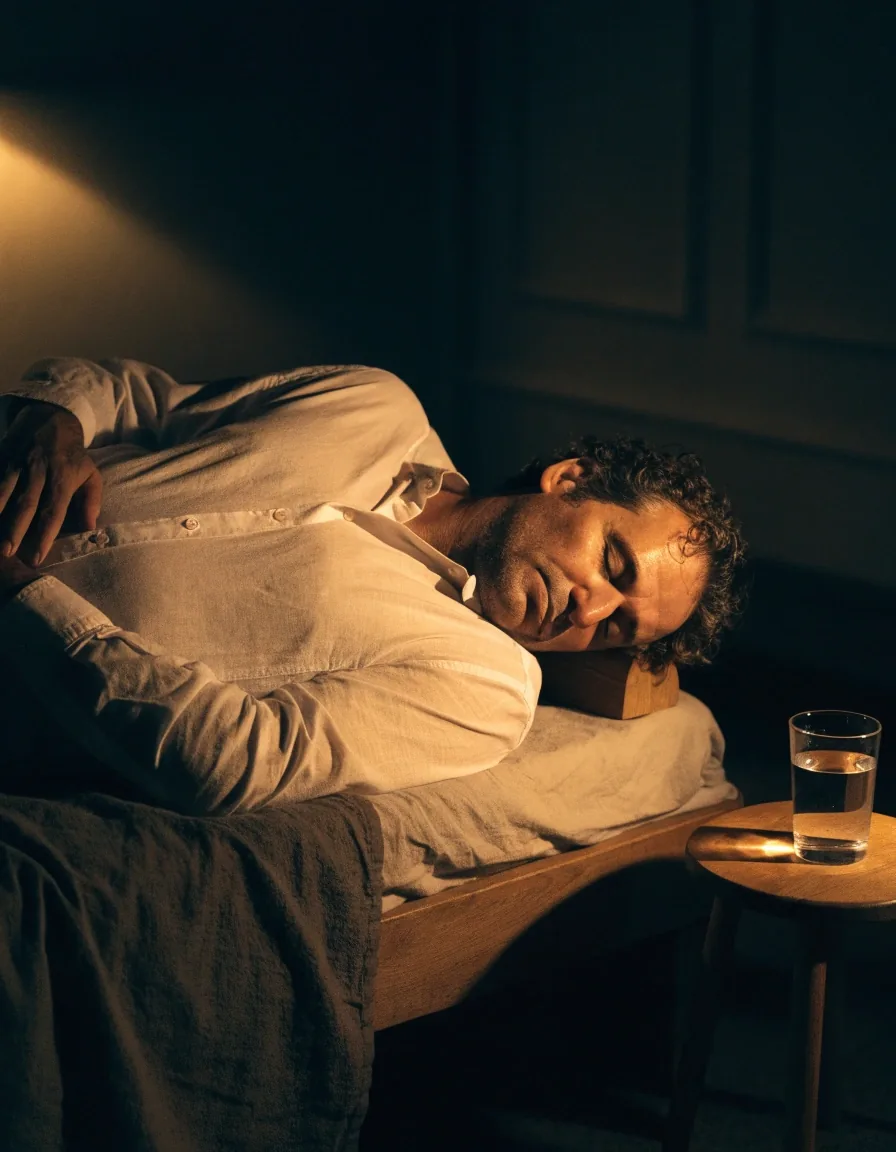
A low made bed in a warm room at dusk with a folded blanket and a glass of water nearby

Heat, long drives, long flights

Hours in one seat

Sitting still for hours, whether in traffic or on a flight, is a common trigger for a heavy, tight feeling in the pelvis. The seat does not have to change. How often you leave it does.

If you drive for a living

A small cushion that lifts the hips slightly above the knees changes the angle enough to matter across a long shift.

On a long flight

Take the aisle seat when you can, shift weight regularly, and walk the length of the cabin when the chance appears.

Every half hour

Shift the weight from one sitting bone to the other. It is a small move, and it is the one that keeps the area from settling.

Small adjustments, applied often

None of these is dramatic on its own. What matters is that they happen on most days, not on the perfect one.

Building a day that supports the practice

Pick two to start with: a standing break every hour, and a daily walk. Add the rest once those feel automatic. The pelvic floor exercises work better when the rest of the day is not fighting them, which is why this page exists at all.

Practise, move, sit well, sleep. The order matters less than the consistency.

Build my weekly routine

A shape for the week

Start with two A standing break every hour and a daily walk. Nothing else changes for the first fortnight.
Add posture and water Once the first two feel automatic, layer in the seated position and a bottle within reach of the desk.
Finish with rest A consistent bedtime and a few slow breaths before sleep. This is the one most people drop when the week gets busy.

If you are not sure where to start

Two habits first, the rest later

If the list above feels like a lot, take the standing break and the walk. Those two carry most of the benefit for the least disruption, and the other habits slot in around them once they hold. Nothing here is a promise about an outcome. It is simply the shape of a day that gives the practice a fair chance.

Questions readers ask

Three that come up often when readers start layering everyday habits around the exercises.

More questions and answers
Do I need to change my diet for this?

This site does not give dietary advice. Drinking water regularly through the day supports normal bladder habits, and that is the extent of what belongs here.

Can I do the exercises during a workout?

You can, though it is usually easier to keep form clean in a separate short session. If you do practise during training, keep breathing and avoid bracing hard.

Does sitting all day undo the practice?

It works against it rather than undoing it. Regular standing breaks and a daily walk make a noticeable difference to how the muscles feel.

The exercises take a few minutes. What you do with the other twenty-three hours is what makes them feel like they hold.

Pelvic Floor Practice

General wellness reading, Jakarta

Where to go next

Reach us Monday to Friday, 9:00 AM – 6:00 PM, or Saturday 9:00 AM – 1:00 PM.

[email protected] +62 21 5293 7765